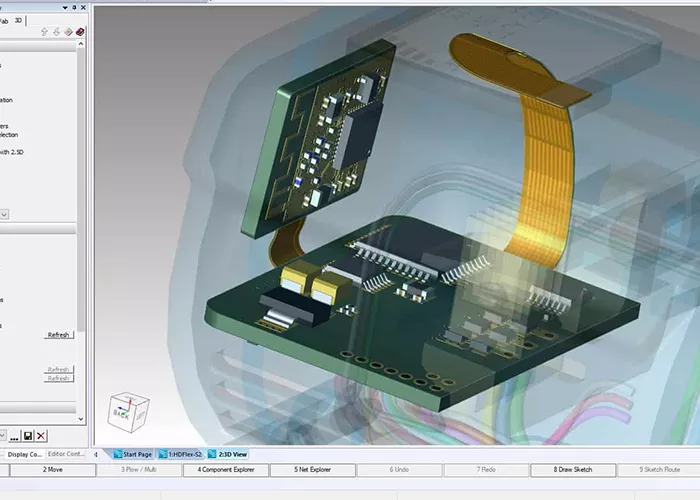
Flexible PCB Services

Geyuan Electronics offers high-density, complex flexible PCB, from prototyping to small-batch production. All products are manufactured using premium materials and undergo rigorous quality control. With over a decade of experience working with global clients, Geyuan Electronics is committed to providing each customer with superior and cost-effective flexible PCB manufacturing solutions. Please call us today or submit your Gerber files/specifications so we can provide you with a quick and secure quote.

Flexible PCB Manufacturing and Supply Experts

If you are looking for a high-quality flexible circuit board manufacturer, Geyuan Electronics is the ideal choice. With over 20 years of experience in flexible circuit board manufacturing, serving numerous application areas and industries, we have accumulated extensive expertise. Our experienced team of engineers works closely with clients from the outset of a project to address various challenges and provide valuable advice on the required flexible PCB type, materials, and manufacturability design. Whether you need fast-turnaround flexible circuitry or entirely different types of flexible PCBs, we have the capability, equipment, and experience to meet your needs and provide value-added services for all types of PCB layout, manufacturing, and assembly.

Flexible PCB and Flexible Rigid PCB
Geyuan Electronics PCB Flex Manufacturing Solutions

Whether You're Prototyping Or Mass Production, We Can Meet Your Needs

With Geyuan Electronics, you can bypass PCB intermediaries and connect directly with the source. You can start prototyping and mass production at our factory in Dongguan. This allows you to understand which materials and components are most effective for high-volume PCB production. Geyuan Electronics’ uniqueness lies not only in our design and manufacturing capabilities from prototyping to production; our technology, engineering, sourcing, and customer service also give us a competitive edge. Do you need to maintain inventory for flexible printed circuit boards (PCBs)? We offer pull and push inventory management solutions to meet your specific needs. You can order in bulk, and we will manage your inventory through Just-In-Time (JIT) delivery. We also offer flexible circuit board assembly services to reduce your number of suppliers, production delays, and quality issues. From individual components to complex complete assemblies, Geyuan Electronics provides component sourcing, assembly, and testing services.

Flexible PCB Manufacturing Service: End-to-End Process

The manufacturing of flexible printed circuit boards (Flex PCBs) involves a series of high-precision processes designed to ensure their electrical performance, mechanical flexibility, and long-term reliability. Below is Geyuan Electronics’ flexible PCB manufacturing process, from raw materials to fully tested circuit boards.

Submit Design Files Requirements

01. Submit Design Files & Requirements

Please send us your Gerber files, stack-up information, and basic requirements for your flexible PCB (e.g., quantity, thickness, copper foil weight, and surface finish). If applicable, you can also provide assembly drawings or specific instructions regarding the flexible PCB's bending areas and stiffeners.
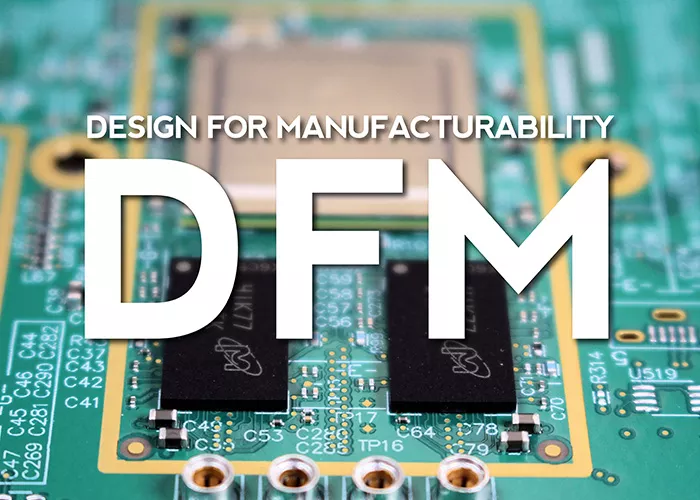
Design for Manufacturability DFM

02. Engineering Review & Flex DFM Check

Our engineering team will review your design and assess its manufacturability, focusing on aspects unique to flexible PCBs such as bending radius, cover layer openings, pad fillets, and stiffener locations. We will confirm that your flexible PCB meets our production capabilities and suggest adjustments if necessary.
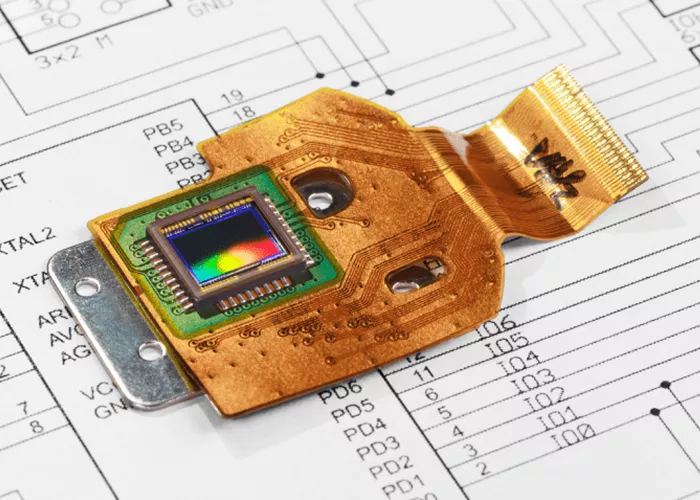
Quotation Lead Time Confirmation

03. Quotation & Lead Time Confirmation

After the DFM review, we will provide a formal flexible PCB quotation, including price, standard delivery date, and any available expedited options. Once you approve the quotation and terms, your flexible PCB prototype order will be scheduled for production.
Flexible PCB Manufacturing Process Determination

04. Flexible PCB Manufacturing Process Determination

We employ controlled processes and determine the flexible PCB manufacturing process based on the agreed-upon stack-up structure. This includes processes such as imaging, etching, drilling, electroplating, lamination, and capping. Our team is ready to discuss test results, potential design changes, and subsequent large-scale flexible PCB or rigid-flex PCB production steps with you.
Material Preparation Cutting

05.Material Preparation & Cutting

Next, microvias and through-holes are created to connect different layers or accommodate component pins. This is done using laser drilling for microvias or mechanical drilling for larger holes. Precision and cleanliness are critical to ensure high-quality interconnects. Proper via wall quality ensures better plating adhesion and long-term reliability.
Drilling Via and Hole Creation

06.Drilling (Via and Hole Creation)

Next, microvias and through-holes are created to connect different layers or accommodate component pins. This is done using laser drilling for microvias or mechanical drilling for larger holes. Precision and cleanliness are critical to ensure high-quality interconnects. Proper via wall quality ensures better plating adhesion and long-term reliability.
Circuit Pattern Imaging

07.Circuit Pattern Imaging

Next, microvias and through-holes are created to connect different layers or accommodate component pins. This is done using laser drilling for microvias or mechanical drilling for larger holes. Precision and cleanliness are critical to ensure high-quality interconnects. Proper via wall quality ensures better plating adhesion and long-term reliability.
Copper Etching

08.Copper Etching

Next, microvias and through-holes are created to connect different layers or accommodate component pins. This is done using laser drilling for microvias or mechanical drilling for larger holes. Precision and cleanliness are critical to ensure high-quality interconnects. Proper via wall quality ensures better plating adhesion and long-term reliability.
Layer Lamination for Multilayer Flex or Rigid

09.Layer Lamination (for Multilayer Flex or Rigid-Flex)

Next, microvias and through-holes are created to connect different layers or accommodate component pins. This is done using laser drilling for microvias or mechanical drilling for larger holes. Precision and cleanliness are critical to ensure high-quality interconnects. Proper via wall quality ensures better plating adhesion and long-term.
Coverlay Application or Solder Mask

10.Coverlay Application or Solder Mask

To protect the circuits, a polyimide coverlay or liquid solder mask is applied. Coverlay is more flexible and preferred for dynamic flex applications. Openings are created at pads, vias, or connector areas for soldering or component assembly.
Surface Finish Application

11.Surface Finish Application

Surface finishes like ENIG (Electroless Nickel Immersion Gold), OSP, or HASL are applied to exposed copper pads. This step improves solderability, oxidation resistance, and contact performance.
Component Soldering Optional for Assembly Services

12.Component Soldering (Optional for Assembly Services)

If Flex PCB assembly is requested, components are placed and soldered using reflow or hand soldering techniques. SMT-compatible flex PCBs are typically assembled in array panels for ease of handling.
Electrical Testing Final Inspection

13.Electrical Testing & Final Inspection

Every board undergoes electrical continuity and isolation testing to verify open/short circuits. Visual inspections and AOI (Automated Optical Inspection) ensure trace accuracy and pad quality. Additional tests may include X-ray, dimensional checks, and bend-cycle reliability tests.
Final Cutting Packaging Shipping

14.Final Cutting, Packaging & Shipping

Finished PCBs are laser-cut or routed into final shape and packaged in ESD-safe materials. Custom labeling, serialization, and documentation are included per customer request.

We Manufacture Reliable And Durable Flexible PCB

Our pursuit of excellence is reflected in superior reliability and durability. Flexible circuits can withstand significant warping and deformation, enduring up to 200,000 bending cycles using standard materials. Utilizing polyimide flexible materials specifically designed for high-temperature environments (beyond the application range of FR4), heat dissipation and airflow efficiency are significantly improved. Furthermore, Geyuan Electronics can support flexible circuits in harsh environments, with materials possessing waterproof, moisture-proof, shockproof, high-temperature resistant, and corrosion-resistant properties. When you need to start a flexible PCB project, our experienced engineers will guide you through the efficient design and manufacturing process of flexible, rigid-flexible, and HDI flexible PCBs. All products are manufactured in Dongguan, China. Choose Geyuan Electronics and experience unparalleled quality, innovation, and localized production.

PCB Flex Manufacturing Solutions

Flexible PCB Manufacturing Technology Capabilities

FeatureCapability
Layer1-12
Board thickness (without stiffener)4‐40 mil
Tolerance of single layer±1.0mil
Tolerance of double‐layer (≤12mil)±1.2 mil
Tolerance of multi‐layer (≤12mil)±1.2 mil
Tolerance of multi‐layer (12mil‐32mil)±8%
Tolerance of board thickness (including PI stiffener)±10%
Min. board size0.0788” *0.1576” (without bridge) 0.3152” * 0.3152” (with bridge)
Max. board size8.668” * 27.5”
Impedance control tolerance±4Ω (≤50Ω), ±7% (>50Ω)
Min. coverlay bridge8 mil
FeatureCapability
Min. bend radius of single layer3‐6 times of board thickness
Min. bend radius of double‐layer7‐10 times of board thickness
Min. bend radius of multi‐layer10‐15 times of board thickness
Min. mechanical drill hole4 mil
Inner Layer Trace/ Space2/ 2 mil
Outer Layer Trace/ Space2/ 2 mil
Solder mask colorGreen\Black
Surface treatmentHASL, ENIG, ENEPIG, Electrolytic Nickel Gold, Soft gold, Hard gold, Immersion silver and OSP, Immersion tin
Laser accuracy (Routing)±2 mil
Punching accuracy (Routing)±2 mil ‐ ±6 mil
Products manufactured by a professional flexible PCB manufacturer

Design for Manufacturability (DFM) Support for Flexible PCB Design

Designing flexible circuits requires close collaboration between design engineers and manufacturing experts. Geyuan Electronics works with customers early in the design phase to ensure that every flexible circuit is optimized for performance, reliability, and manufacturability. This early Design for Manufacturability (DFM) collaboration helps prevent costly redesigns, improves yields, and accelerates production. Our engineering team reviews customer designs and provides feedback on the following aspects:

  • Bend radius and flex region layout
  • Material selection (polyimide, adhesiveless constructions, copper types)
  • Stack-up configuration and layer count
  • Controlled impedance routing for high-speed signals
  • Stiffener placement and connector integration
  • Panelization and manufacturing efficiency

Flexible PCB Capabilities

Technology

  • Single Sided, Double Sided, Multilayer Max 8 Layers
  • Dual Access, Double Bare, Unsupported Fingers Design
  • Dynamic & Flex Install Applications
  • Air Gap Construction
  • Impedance Control (TDR – Testing Verification)
  • High Frequency Control
  • Resistance Control
  • Etched Foil Heater Flex & Design
  • Sculpture Flex
  • Hybrid Flex
flexible pcb cross section with components

Materials

  • Polyimide (PI), Polyester (PET), Polyetherimide (PEI), Polytetrafluoroethylene (PTFE), Polyethylene Naphthalate (PEN)
  • Halogen free, UL 94 V-0 approved, RoHS, REACH
  • Adhesive: Epoxy, Acrylic – Adhesiveless
  • Stiffeners: FR4, PI, Metal, Ceramic (AI203)
  • Copper: Electrodeposited (ED), Rolled Annealed (RA) – Constantan
  • Shielding: EMI film, Silver (Ag) ink, Copper plane
  • Flexible solder mask, Coverlay film, Liquid solder mask (LPI)
key considerations in flexible pcb design

Interconnect

  • SMT Assembly
  • Through Hole Connector, selective soldering
  • IDC: Insulation Displacement Contact (Crimping)
  • Anisotropic Conductive Film (ACF), Anisotropic Conductive Adhesive
  • Hot Bar Soldering
  • Heat Stake
  • Solder Welding (Brazing)
  • Ultrasonic Welding
  • Wire Bonding
  • Chip/Die Attach
Flexible PCBs used in various electronic products

Surface Finishes

  • Electroplated Nickel/Hard Gold (Au) – Soft Gold 99.9%
  • Hot Air Solder Level (HASL) – Lead Free
  • Tin Plating, Immersion Tin
  • Immersion Ag
  • Organic Solderable Preservation (OSP)
  • Electroless Nickel Electroless Palladium Immersion Gold (ENEPIG)
  • Electroless Nickel Immersion Gold (ENIG)
Flexible PCB manufacturing

Patterns and Holes

  • Space & Trace: 50 µm (2 mils)
  • Blind and Buried Vias (2 mils)
  • Panel & Pattern Plating
  • HDI Capability
  • Micro Via: 50 µm (2 mils)
  • Max. PTH Aspect Ratio: 8:1
  • Selective/Button Plating
Custom manufacturing of flexible circuit boards

Flexible PCB Delivery Time

We can turn your flexible PCB manufacturing order in as little as 72 hours.

Flexible PCB 72 hours manufacturing

72 hours

Bareboard Flex Fabrication
Flexible PCB 1 5 days manufacturing

1 - 5 days

Fab + Assembly (full + partial turnkey)
multi layer emi shield flex pcb

Geyuan Electronics Supports IPC-2581

IPC-2581 is a key standard for data exchange in flexible PCB manufacturing. As an open, vendor-neutral XML format, it plays a crucial role in handling the complex structures of flexible PCBs, facilitating the smooth exchange of design data, including layer stack-up, drilling details, and other specifications. Adherence to the IPC-2581 standard ensures transparent communication between designers and manufacturers, minimizing the risk of errors during data transmission. This standardized approach helps enhance collaboration, streamline workflows, and significantly improve the efficient and precise production of complex flexible and rigid-flex boards, thus emphasizing accuracy and reliability throughout the manufacturing process.

Ready To Start Your New Flexible PCB Project?

Contact the expert team at Geyuan Electronics, your trusted flexible PCB supplier, to learn how we can bring your project to life. Whether it's flexible PCB prototyping or multilayer flexible PCB manufacturing, we offer tailored solutions and are committed to providing high-quality, efficient, and reliable service.

Call to Actions1
Assembled flexible PCB products

Unleash Your Design Potential with Geyuan Electronics

Partner with Geyuan Electronics to embark on a journey of innovation and cutting-edge solutions. Geyuan Electronics is your premier partner for manufacturing flexible PCBs in China. Experience the design flexibility of flexible PCBs, achieving seamless integration at edges and folds, and revolutionizing your product architecture. Lightweight polyimide materials surpass traditional FR4, significantly reducing footprint and weight, while Flexible Flat Cables (FCCs) further optimize space requirements. Whether you need simple double-sided flexible circuits or complex multilayer flexible PCBs, Geyuan Electronics provides expert guidance, extensive experience, and strong capabilities to help you bring your designs to life.

Professional Flexible PCB Innovation Fuels Emerging Technology Trends

Geyuan Electronics’ global team of engineers provides manufacturing-oriented design guidance. We possess industry-leading talent, offering end-to-end support for flexible PCB design, from prototyping to the end of the product lifecycle. We help customers find ways to improve overall yield and minimize costs. This close collaboration fosters innovative products that make people’s lives and work better. Geyuan Electronics offers exceptional service, reliability, and competitive pricing. Our mission is to deliver unparalleled service, superior quality, and total customer satisfaction by creating top-tier flexible printed circuit boards (FPCBs) that meet customer needs and expectations.

standard flex pcb

Types of Flexible Printed Circuit Boards We Can Manufacture

Geyuan Electronics’ flexible PCB manufacturing team can design, manufacture, and customize PCBs of various specifications. While the requirements vary greatly between different flexible PCBs, we can manufacture several types of flexible PCBs based on their layer count and configuration.

Single sided Flexible PCB

Single-sided Flexible PCB

Single-sided flexible PCBs have only one conductive layer and are currently the most commonly used type of flexible printed circuit board. They possess the excellent electronic and mechanical properties of flexible materials and are inexpensive, making them widely used in consumer electronics.
Double Layer Flexible PCB

Double-sided Flexible PCB

Double-sided flexible PCBs have two copper layers connected by plated through-holes, combining high electronic performance with cost-effectiveness. They are typically used in high-capacity, high-tech electronic devices such as laptops, cameras, and headphones.
Multilayer Flex PCB

Multi-layer Flexible PCB

For such highly advanced devices requiring very limited space or continuous movement, multi-layer flexible PCBs are needed. These flexible PCBs have three or more copper layers. However, we generally recommend using more than four copper layers in flexible PCBs, as this can affect flexibility.
Standard Flexible PCB

Standard Flexible PCB

Standard flexible PCBs are the most commonly used flexible circuit boards. They are typically made of polyimide and have one or two conductive layers and reinforcing ribs.
Rigid Flex PCB

Rigid-Flex Printed Circuit Board

Rigid-flex PCBs combine the characteristics of rigid and flexible PCBs. In this type of flexible PCB, only the required areas of the PCB are made of flexible material, facilitating the connection of rigid parts of the circuitry. This reduces costs while allowing the PCB to bend as needed.
HDI Flex PCB

HDI Flexible PCB

HDI flexible PCBs, or high-density interconnect circuit boards, can be considered an advanced version of flexible PCBs. They offer better functionality and performance than standard flexible printed circuit boards.
Custom manufacturing of white solder mask flexible PCBs

Geyuan Electronics' Manufacturing Facilities and Equipment

Our 170,000-square-foot modern campus in China is equipped with state-of-the-art equipment for manufacturing and assembling PCBs, including laser direct imaging equipment, inkjet printing equipment, flying probe testing equipment, direct metallization lines, vacuum laminators, pinhole drilling machines, and integrated strip etching lines. Whether you need standard, fast-delivery PCBs or boards made with specialty metals and with extremely tight tolerances, there’s a reason Geyuan Electronics leads the industry in quality and performance. Furthermore, our in-house manufacturing facilities offer rapid-response engineering support, global logistics, and scalable production capabilities. Whether you need prototyping, high-volume production, or complex rigid-flex structures, our team provides fast and reliable solutions.

Your Trusted Flex PCB Manufacturer

Geyuan Electronics has firmly established itself as a leading and trusted manufacturer of flexible printed circuit boards (Flex PCBs). With an unwavering commitment to excellence and a focus on quality, Geyuan Electronics is dedicated to providing innovative and precision-designed flexible PCB solutions to meet the diverse needs of its customers. Our adherence to the highest standards of manufacturing processes is reflected in the durability, reliability, and superior performance of our flexible circuit boards. Whether in medical devices, aerospace applications, or industrial electronics, Geyuan Electronics is a trusted partner, providing best-in-class flexible PCB solutions that demonstrate exceptional durability, flexibility, and unparalleled quality in the ever-evolving field of electronics manufacturing.

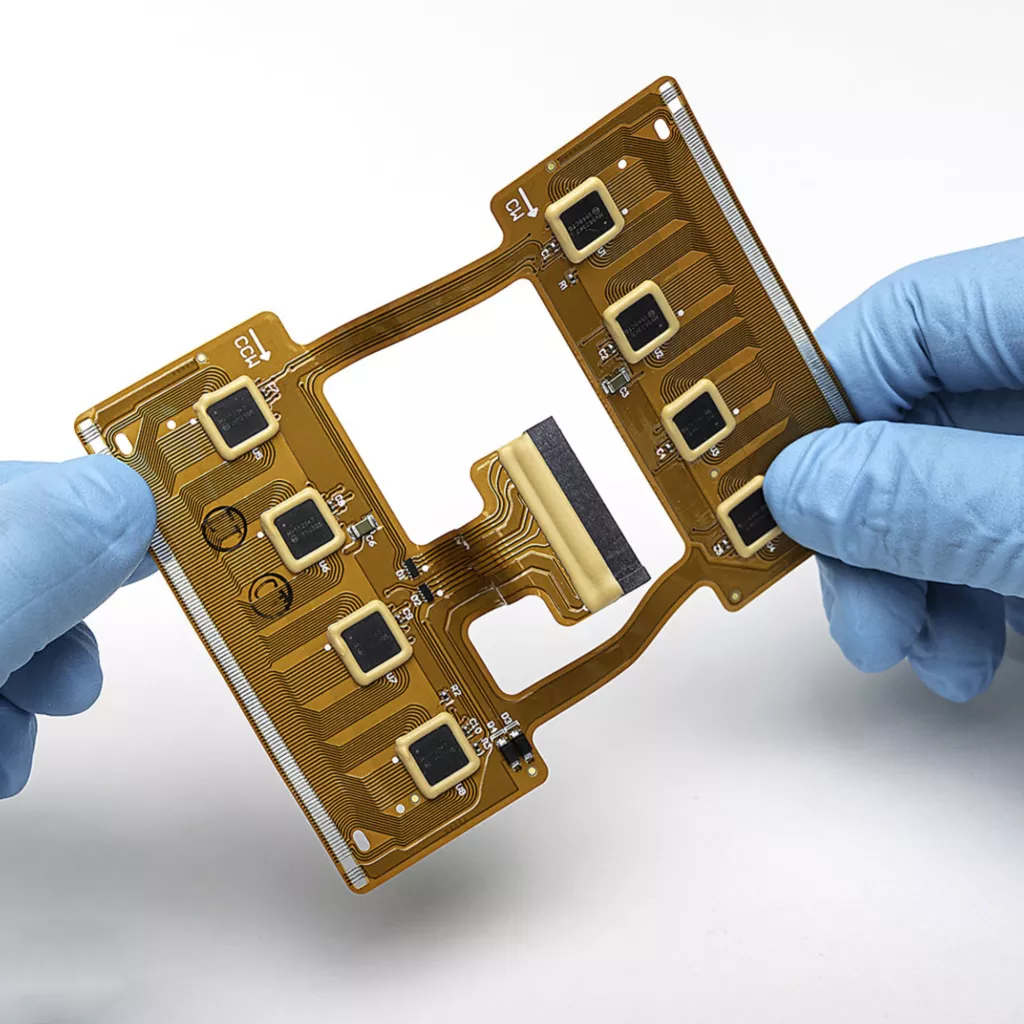
Flexible PCBs with various designs

Flexible Circuit Board Manufacturing Processes

Geyuan Electronics primarily uses two manufacturing processes for flexible PCBs: subtractive manufacturing and additive manufacturing.

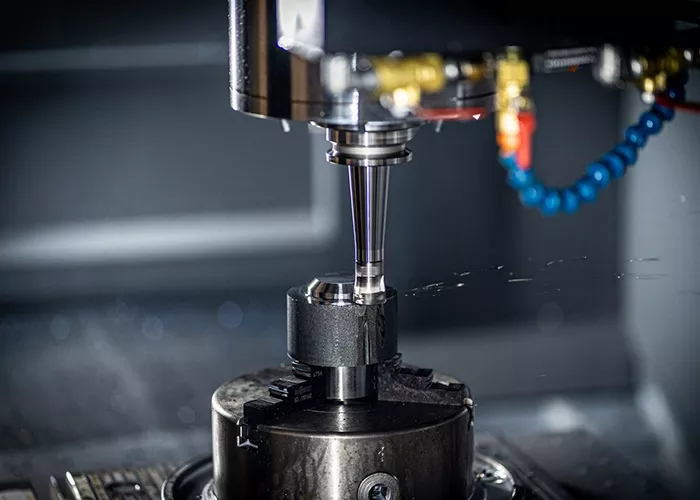
CNC Machining 1

Subtractive Manufacturing

In subtractive manufacturing, a single, solid metal sheet is used first, and then excess metal is removed to form circuit traces. Screen printing and photolithography are two of the most commonly used circuit pattern definition processes. Subtractive manufacturing is more stable, lower in cost, and offers a wider range of final product configuration options.
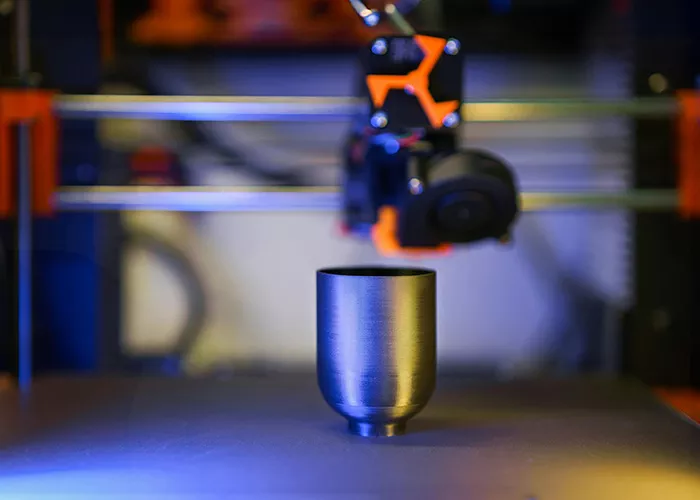
3D printing

Additive Manufacturing

In additive manufacturing, a bare dielectric layer is used first, and then metal traces are added only where needed to form the circuit. Conductive layers can be printed, electroplated, or deposited in various ways. Compared to subtractive manufacturing, flexible circuits produced by additive manufacturing have lower current carrying capacity and environmental tolerance.

Flexible Circuit Board Finishing and Assembly

Surface Treatment Flexible PCB

Surface Treatment

After manufacturing, surface treatment is crucial for the bonding of flexible circuit boards. Metals such as nickel, gold, tin, silver, and solder can be used in surface mount technology (SMT) assembly, wire bonding, or crimp connector insertion processes. Organic coatings can also protect the copper layer before bonding; the coating dissolves after bonding.
Assembly Flexible PCB 1

Assembly

Flexible PCBs can be assembled in various ways. In addition to electronic components and connectors, various electrical or mechanical devices can be attached to flexible PCBs. Circuits can also be easily bonded to curved surfaces or shaped into any three-dimensional form. With proper structural design, flexible circuits can withstand dynamic bending, making them an ideal solution for electronic packaging that connects moving or rotating parts.

Flex PCB Design and Manufacturability Guidelines

Designing a high-performance Flex PCB requires careful attention to both electrical performance and mechanical reliability. At our facility, we support clients with Design for Manufacturability (DFM) best practices to ensure your flex circuit is both functional and production-ready.Here are the essential design guidelines to help you achieve optimal results.

Bend Radius and Flexibility

To avoid mechanical stress and copper cracking during repeated flexing, always follow minimum bend radius rules:

  • Static Flexing: Minimum bend radius = 6× the total board thickness
  • Dynamic Flexing: Minimum bend radius = 12× or more of board thickness
  • Use rolled annealed (RA) copper for better ductility in dynamic applications
  • Tip: Avoid placing vias or solder joints in areas that will flex repeatedly.
Bend Radius and

Trace Routing Techniques

  • Route traces perpendicular to the bend when possible to reduce stress
  • Use curved traces instead of sharp angles to prevent stress fractures
  • Maintain consistent trace width and spacing to avoid impedance mismatches
  • Use tear-drop pads to strengthen pad-to-trace transitions
  • Controlled impedance? Use uniform trace geometry and maintain proper dielectric spacing in multilayer designs.
Trace Routing Techniques

Layer Stack-Up And Construction

  • For multilayer flex PCBs, keep symmetrical stack-ups to prevent warping
  • Avoid placing copper on both sides in highly flexed regions (prefer single-layer in bend areas)
  • Include stiffeners (FR4 or stainless steel) in connector or component regions to add mechanical support
Layer Stack Up And Construction

Pad, Via, And Component Placement

  • Keep components and vias away from bend areas
  • Use anchor pads or adhesive backing for heavier components
  • Reinforce solder joints using coverlay openings instead of solder mask
  • Laser-drilled microvias are ideal for HDI flex designs where space is limited.
  • Controlled impedance? Use uniform trace geometry and maintain proper dielectric spacing in multilayer designs.
Pad Via And Component Placement

Material

  • Polyimide film (PI) is the preferred base material for its flexibility and thermal resistance
  • Adhesiveless laminates can improve reliability and reduce thickness
  • Stiffeners (e.g., FR4, PI, or stainless steel) should be carefully specified in mechanical drawings
flexible pcb Material

Layer Stack-Up And Construction

  • For multilayer flex PCBs, keep symmetrical stack-ups to prevent warping
  • Avoid placing copper on both sides in highly flexed regions (prefer single-layer in bend areas)
  • Include stiffeners (FR4 or stainless steel) in connector or component regions to add mechanical support
Layer Stack Up And Construction flexible pcb

Explore Our Other Services

Discover our complete range of flex PCB manufacturing and assembly services

Flex PCB Assembly

Flex PCB Assembly

Rigid Flex Assembly

Rigid-Flex Assembly

Flex PCB Prototype

Flex PCB Prototype

Flex PCB Design

Flex PCB Design

Flex PCB Surface Finish

Flex PCB Surface Finish

Impedance Controlled Flex PCB

Impedance-Controlled Flex PCB

Gold Finger Flex PCB

Gold Finger Flex PCB

High Volume PCB Assembly 1

High Volume PCB Assembly

Flex PCB Box Build Assembly

Flex PCB Box Build Assembly

Geyuan Electronics flexible pcb Kit

Quality Certifications

Certified by ISO 9001, ISO 13485, IATF 16949, and UL. 100% AOI inspection and flying probe testing. For buyers concerned about potential risks, process control is often more important than the lowest price.

  • ISO9001:2008
  • ISO 9001:2015
  • AS9100C certified
  • AS9100D certified
  • NADCAP accredited
  • NADCAP Scope of Accreditation
  • IPC-6013 Class III Product
  • IPC J-STD Certified
  • IPC CID Certified CAD

Industry Applications for Flex PCB

Flexible printed circuit boards are essential in industries where space constraints, weight reduction, and mechanical flexibility are critical. Our Flex PCBs are widely adopted across the following sectors:

Consumer Electronics

Consumer Electronics

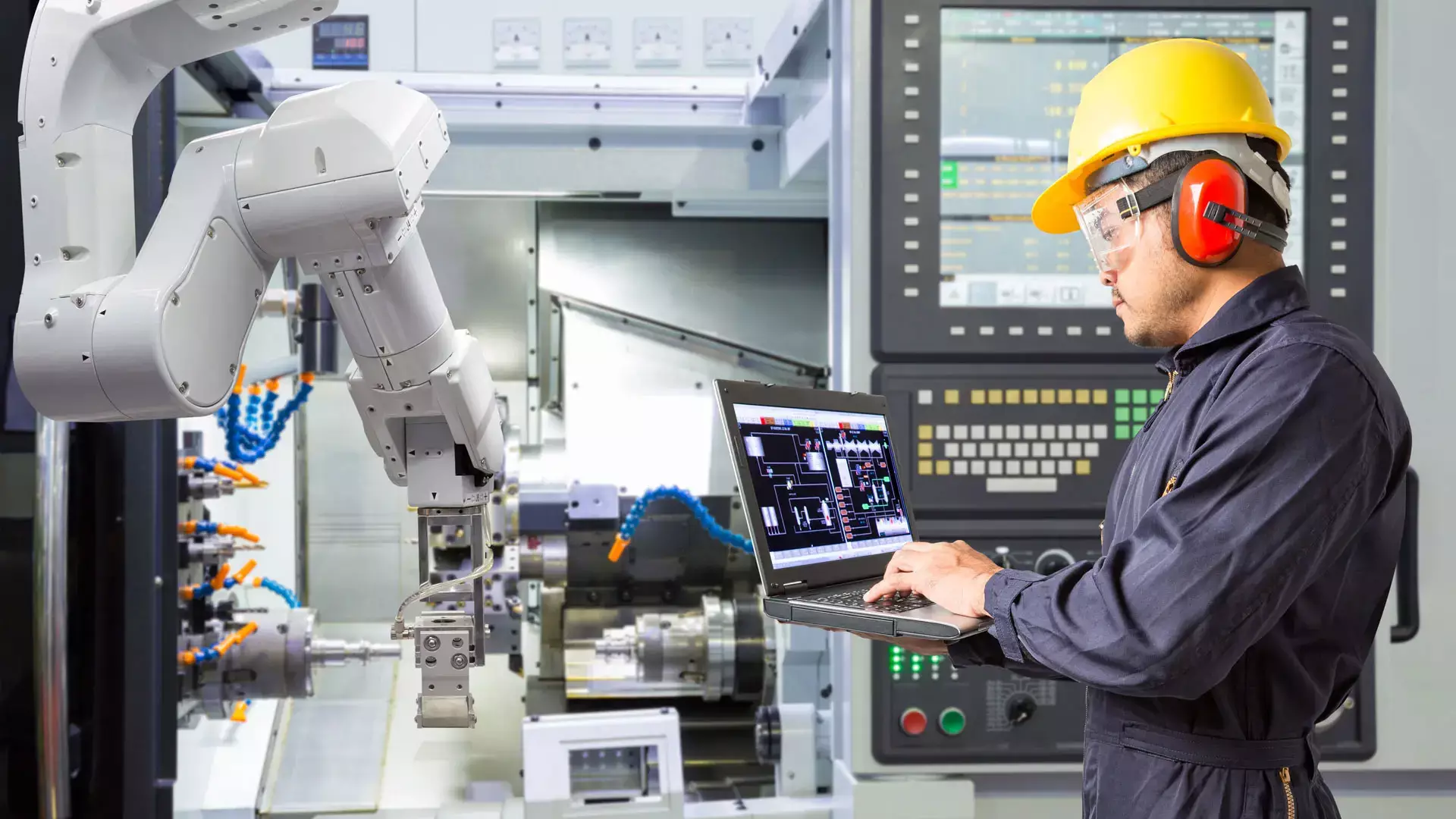
Industrial Electronics

Industrial control systems

Wearable Technology

Wearable technology

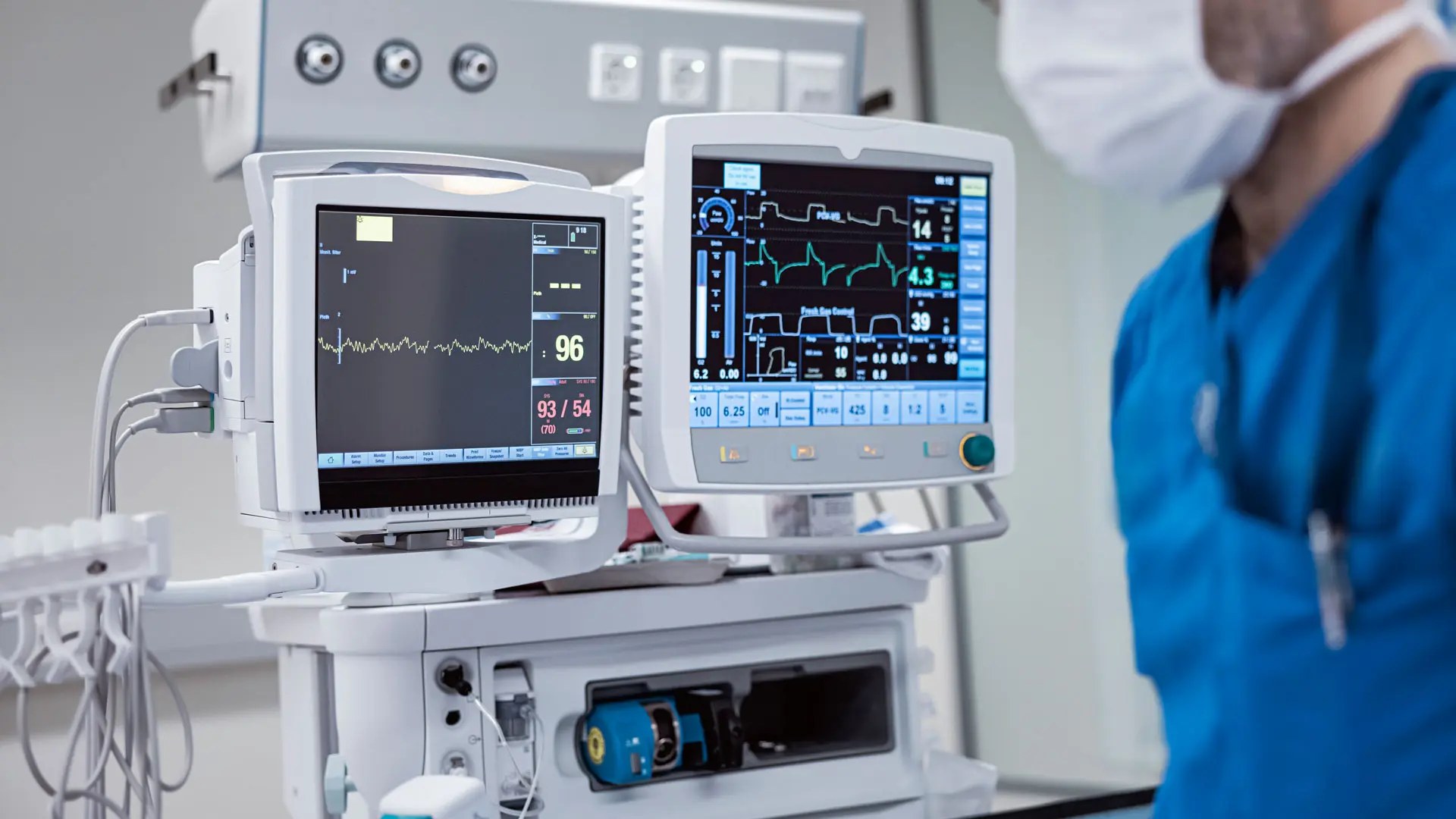
Medical Electronics

Medical Devices

Aerospace Defense

Aerospace

Automotive Electronics

Automotive Electronics

FAQ

A flexible PCB, also known as a flexible circuit board or flexible circuit, consists of a polyimide (PI) substrate, an adhesive layer, a copper layer, a cover layer, and sometimes reinforcing ribs. Flexible printed circuits consist of metal trace layers (usually copper) and dielectric layers (usually polyimide). The thickness of the metal layers can range from very thin (<0.0001 inches) to very thick (>0.010 inches), while the thickness of the dielectric layers ranges from 0.0005 inches to 0.010 inches. Adhesives are typically used to bond the metal layers to the substrate, but other types of bonding methods, such as vapor deposition, can also be used.

To provide an accurate and fast quote, please include:

  • Gerber files (RS-274X format preferred)
  • Bill of Materials (BOM) if assembly is needed
  • Stack-up or layer information
  • Quantities and delivery timeline
  • Special requirements (e.g., stiffeners, impedance control, finish type)

The recommended minimum bend radius depends on whether the flex area is static or dynamic:

  • Static Flexing: Minimum radius = 6× the board thickness
  • Dynamic Flexing: Minimum radius = 12× or more of the board thickness
  • Using rolled annealed (RA) copper improves bendability and extends flex life.

Flex PCBs are primarily made from polyimide (PI) or polyester (PET) substrates with copper foil layers. We also use adhesiveless laminates for high-reliability applications. Coverlays, stiffeners (FR4 or stainless steel), and surface finishes (ENIG, OSP) are added depending on the design.

Yes. All our Flex PCBs are RoHS-compliant and manufactured to IPC-6013 and IPC-A-600/610 Class 2 or Class 3 standards, depending on application needs. Certifications and test reports are available upon request.

The company has world-class production equipment (laser drilling machine, VCP through-hole filling line, blind hole AOI testing equipment, ceramic grinding line, vertical vacuum resin blocking machine, etc.), first-class technical team, mature product line, perfect service flow, to provide one-stop PCB services from design, sampling to mass production and assembly.

  • Copper foil : RA copper 17.5, 35, 70 microns
  • Copper foil : ED copper 17.5, 35, 70 microns
  • Base film : Polyimide 17.5, 25, 50 microns
  • Base film : Polyester 25, 50, 75 microns
  • Coverlay : Polyimide 25, 50, 75 microns
  • Coverlay : Polyester 17.5, 35, 70 microns
  • Coverlay : Solder mask 25, 50 microns
  • Adhesive : Epoxy 20 – 35 microns
  • Adhesive : Acrylic 20 – 35 microns
  • Stiffener : Polymide 25 – 175 microns
  • Stiffener : Polyester 25 – 300 microns
  • Stiffener : Glass-epoxy 0.1 – 1.6 mm

Geyuan Electronics manufactures a wide variety of flexible circuits, flexible cables, flat flexible heaters, membrane switches, and rigid-flex circuits. Our products range from bare flexible circuits to complete product modules, ensuring a diverse range of application needs are met. Our superior manufacturing processes combine precision, innovation, and efficiency to deliver high-level flexible PCB solutions.

Geyuan Electronics customizes flexible PCB solutions to meet your specific project needs, working closely with you to deeply understand the challenges and objectives of your project. Whether you need a simple flexible PCB or a complex layout, our professional design capabilities and extensive material selection can provide you with flexible PCB products that meet your requirements. Tailor-made designs will ensure seamless integration and superior performance of your products.

In addition to manufacturing, Geyuan Electronics also offers complete EMS solutions—electronic manufacturing services. This means we can start from the initial design concept, take on the project, procure all the components you need, handle assembly and testing, and even package the finished circuit boards so they are ready for shipment. For many customers, this "one-stop" service is faster, cheaper, and eliminates the hassle of dealing with multiple suppliers.

A flexible PCB is a flexible printed circuit board made of polyimide film instead of rigid FR-4 material, allowing it to be bent, folded, or adapted to three-dimensional mechanical structures. Flexible PCBs are ideal when adapting to curved surfaces or moving spaces, removing inter-board connectors, reducing weight, or withstanding repeated bending. If the board remains stationary and space is unrestricted, rigid PCBs or flat flexible cables (FFCs) are generally more economical. We clarify this during the Design for Manufacturability (DFM) phase, rather than forcing flexible PCBs into the design.

Geyuan Electronics' standard flexible PCB structure uses 1-6 layers, with a maximum of 10 layers, suitable for special multilayer flexible circuit boards. The thickness of the flexible portion is typically 0.05-0.5 mm (up to 0.8 mm), with single-ended impedance controlled at ±5 Ω (up to ±3 Ω for advanced applications). The selection of the number of layers, stack-up structure, and stiffener placement depends on your bend radius, impedance targets, and reliability requirements, rather than choosing from a generic table, as stack-up structures that neglect copper balance in the bend area may crack after assembly.

Please provide Gerber files and drill files, stack-up structure, target finished flexible thickness, bend radius (including static and dynamic flexibility and expected bend cycles), cover layer and stiffener requirements, surface finish, target impedance, quantity and annual forecast, sample date, and required reports. A complete data package helps the engineering department provide quotes, DFM specifications, sample delivery times, and reliability risk assessments without unnecessary assumptions.

Need a Flexible PCB Quote?

We use a well-organized process and the right software to provide you with a quote within 4 hours. After you upload your information, including any fabrication drawings or schematics, our system and engineering staff will analyze the data and provide us with a comprehensive document so we can take a closer look at your project.

Call to Actions1
Scroll to Top